
Ning -Symbolic Shadow Work
Transgenerational Symbolic
Shadow Work
Ning is a symbolic method informed by research on intergenerational patterns and grounded in experiential practice.
Through symbolic work, meditation, and archetypal rituals, the rational mind quiets and images emerge from deeper layers of the psyche.
These images speak the language of symbols.
Symbols are not abstract ideas.
They are living carriers of meaning.
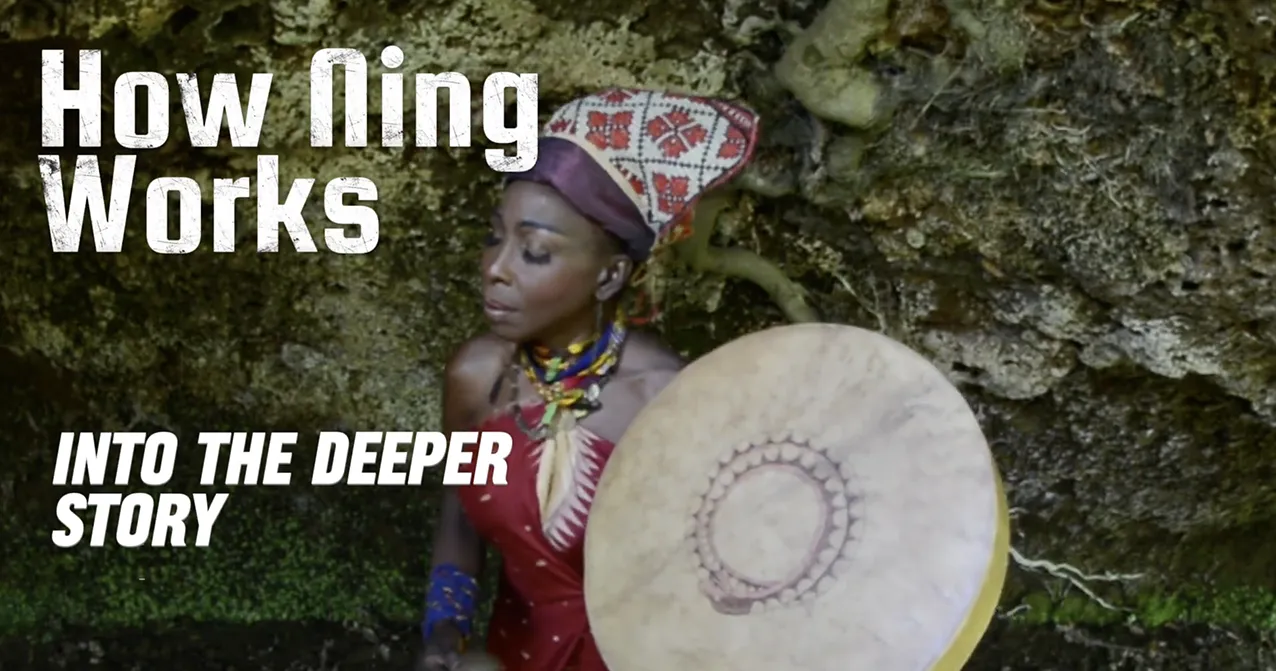
HOW NING WORK
A short introduction to how Ning works through drum, symbolic shadow work, and the call of Mother Heart.
Symbols are not abstract ideas
They are living carriers of meaning
They reveal hidden parts of the self,
forgotten emotional patterns, and
inherited memories that still shape
the present..
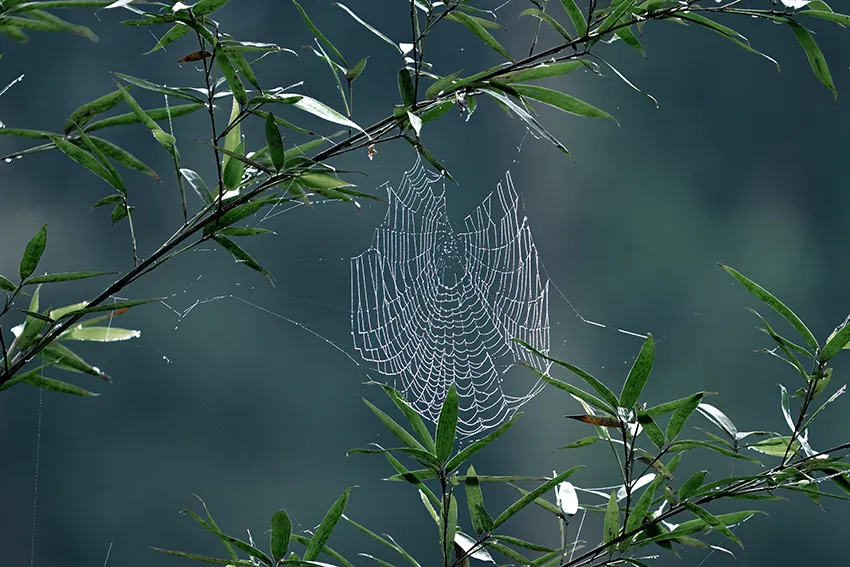
WHAT IS NING
“I am large, I contain multitudes.”
— Walt Whitman
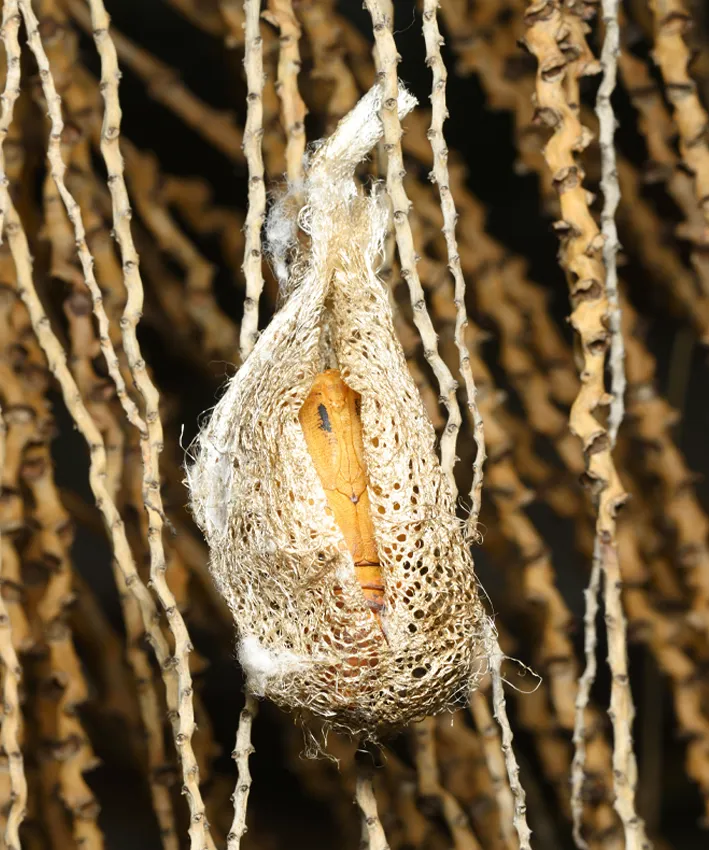
Ning means “cocoon” in my Malinké language — a space where the hidden layers of the psyche can reveal themselves and transform through symbolic work and meditation.
In Ning, we work with shadow selves.
Every human being carries shadow selves — aspects of the psyche formed at different stages of early life to protect us.
As we grow, parts of ourselves not accepted by family or environment — or unsafe to express — are pushed out of conscious identity to adapt and belong.
These parts do not disappear.
They slip into the shadow.
SHADOW SELVES
The Pulse Beneath the Skin
The shadow has a different plan than the mind.
“Whoever fights monsters should see to it that he does not become a monster.”
— Friedrich Nietzsche
When the shadow remains unconscious, it begins to shape life from behind the scenes.
It may sabotage opportunities or relationships, project disowned qualities onto others, or quietly guide our reactions and decisions.
Often we believe we are choosing freely while unconscious patterns are shaping our lives.
Yet the shadow does not contain only aggression or defects.
It also holds hidden strength and unlived potential.
As James Hillman wrote:
“However big your shadow is, there is an equally great light to recover.”
This is where Ning begins.
In Ning, the shadow tells its story through symbolic images — revealing how it became a shadow: its fears, its desires, its shame, its wounds, its loyalties, its silences, its hidden strength, and the voice that could not be lived.
Through symbolic exploration, meditation and archetypal rituals, shadow parts take us into the “Crime Scene” of childhood wounds, where protection, adaptation, or silence once became necessary.
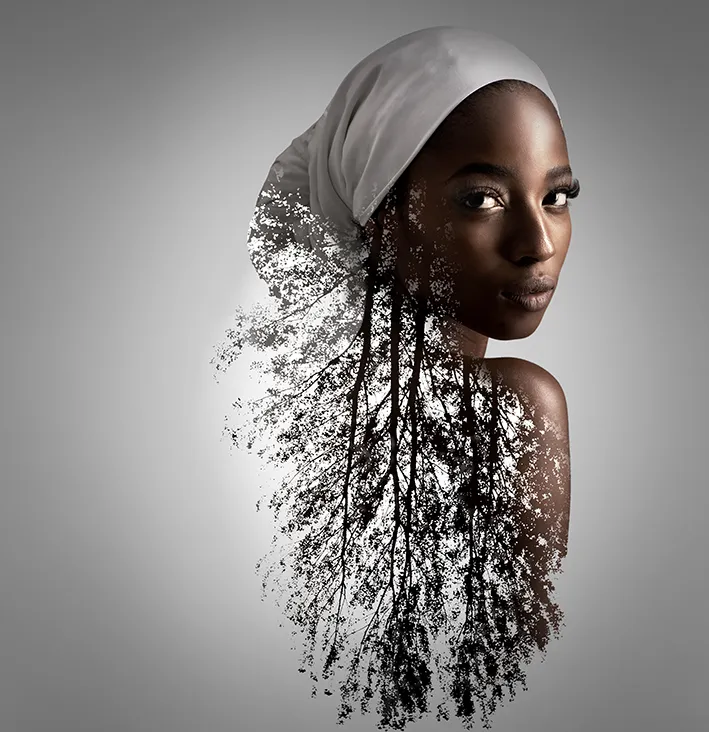
As Carl Jung wrote:
“Until you make the unconscious conscious, it will direct your life and you will call it fate.”
Only by knowing each shadow self — its age, its desires, often in contradiction with one another — what once felt like fate begins to shift.
In Ning, the work is not to eliminate the shadow but to see it, listen to it, and meet it without judgment — sometimes to “set the table for the shadow.”
A symbolic gesture of welcome, because what is received with respect and love can finally speak its truth.
When recognized, these hidden parts can return the qualities they were originally protecting — allowing greater freedom, wholeness, and the expression of our innate potential.
And when individuals become more whole, their actions naturally contribute to a more conscious living world — ultimately, we are all connected.
THE SOUL IN NING
“The eye with which I see God is the same eye with which God sees me.”
— Meister Eckhart
In Ning, the soul is not an abstract belief.
Just as our body carries biological and psychological information, the soul carries living information — the continuity of conscious experience.
Consciousness is not a byproduct of matter.
It is primary.
The soul is the living center of awareness through which we experience being ourselves — a living intelligence that can be wounded, strengthened, or lost.
Ning approaches the soul as living information and conscious presence, in relationship with a deeper intelligence of life.


SYMBOLS
“In the inner silence the soul hears.”
— John of the Cross
A symbol is not a sign.
It is not a decorative metaphor.
A symbol is a fragment that carries the memory of a greater whole.
It is a language through which the unconscious organizes and communicates meaning before the rational mind can grasp it.
We are not only shaped by symbols — we are structured by them.
Our fears, desires, loyalties, and identities organize themselves around symbolic patterns long before we become aware of them.
WHY THE SILENT ARCHIVE OF WOMEN
“When a sleeping woman wakes, the mountain moves.”
— African proverb
Over fifteen years of working with shadow selves and symbolic patterns, one reality became undeniable:
Women carry inherited silence differently.
Responsibility absorbed early.
Voice restrained.
Strength mistaken for resilience.
Across generations, invisible loyalty has shaped how women lead, love, endure, and disappear.
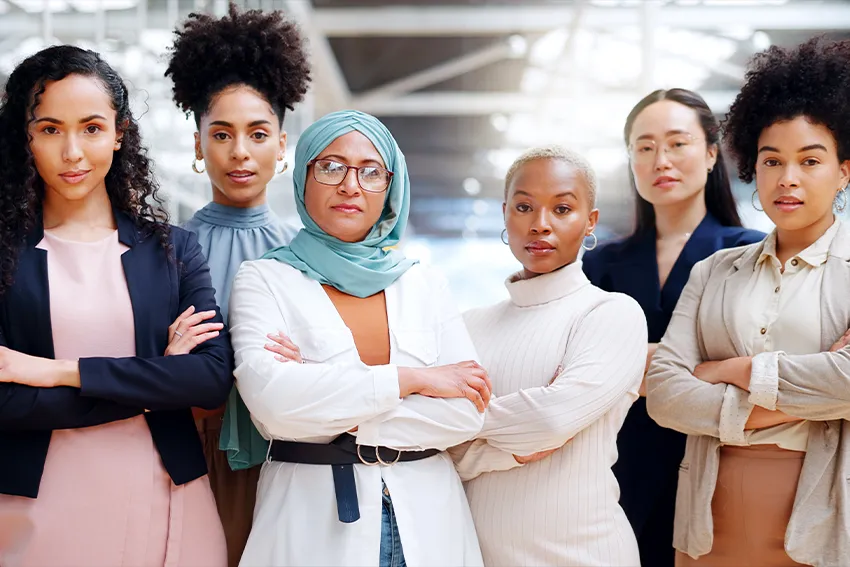
The Silent Archive of Women was born from this observation.
Transmission begins in the maternal field.
From the womb onward, unspoken narratives, emotional patterns, and transgenerational memory are carried — often silently.
This is not blame.
It is recognition.
To rewrite the old script of repetition, we must first make it visible — and meet it with acceptance and love.
SPEAKING & COLLABORATIONS
Aminata Fofana speaks on:
- symbolic memory
- transgenerational repetition
- invisible loyalties
- embodied leadership
Available for conferences, podcasts, and professional dialogues.
Invite Aminata to Speak
Voices of Ning
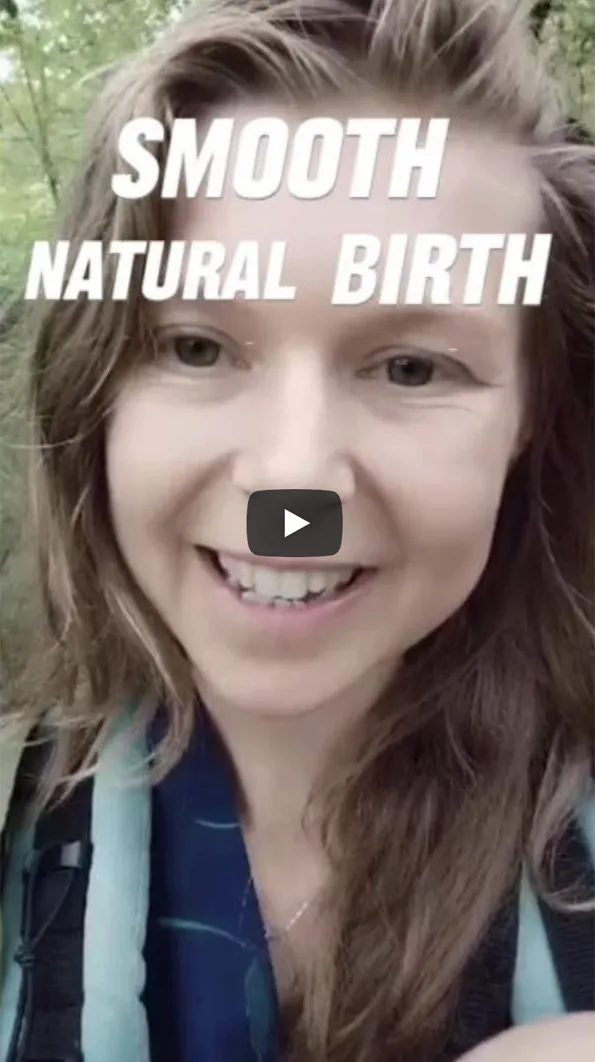
Smooth Natural Birth
Evelyn shares how working with Ning helped her identify and release deep inner blocks during pregnancy, followed by a natural birth whose speed surprised even the doctors.
Heal the mother
When a mother transforms at the symbolic root, the child feels it too
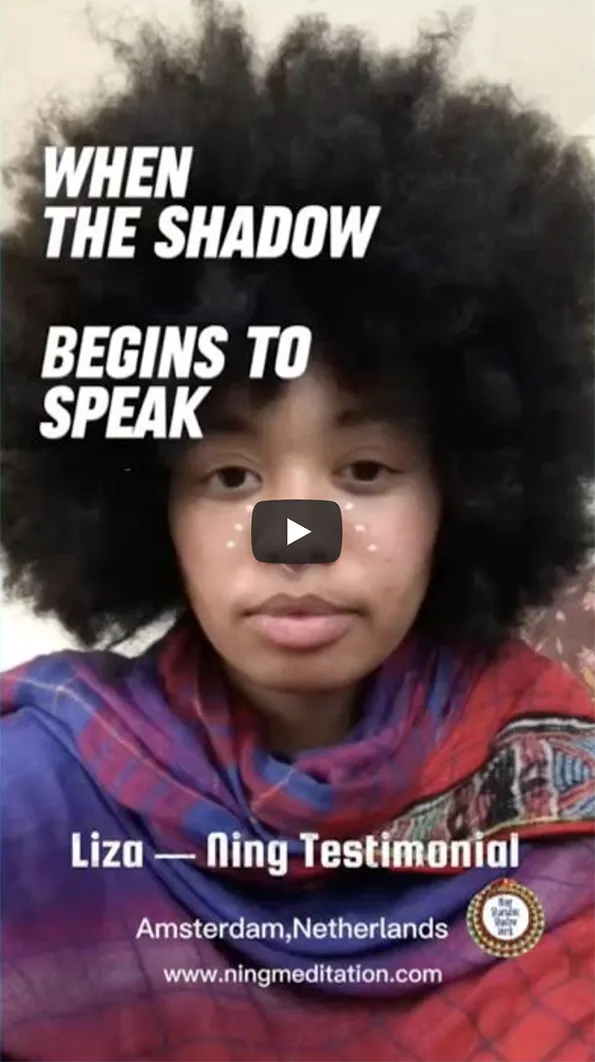
Lisa on Creative Block, Ancestors, and Freedom
Lisa shares how Ning helped her face a powerful creative block, reconnect with ancestral stories, and listen to hidden parts of herself with more clarity and freedom.